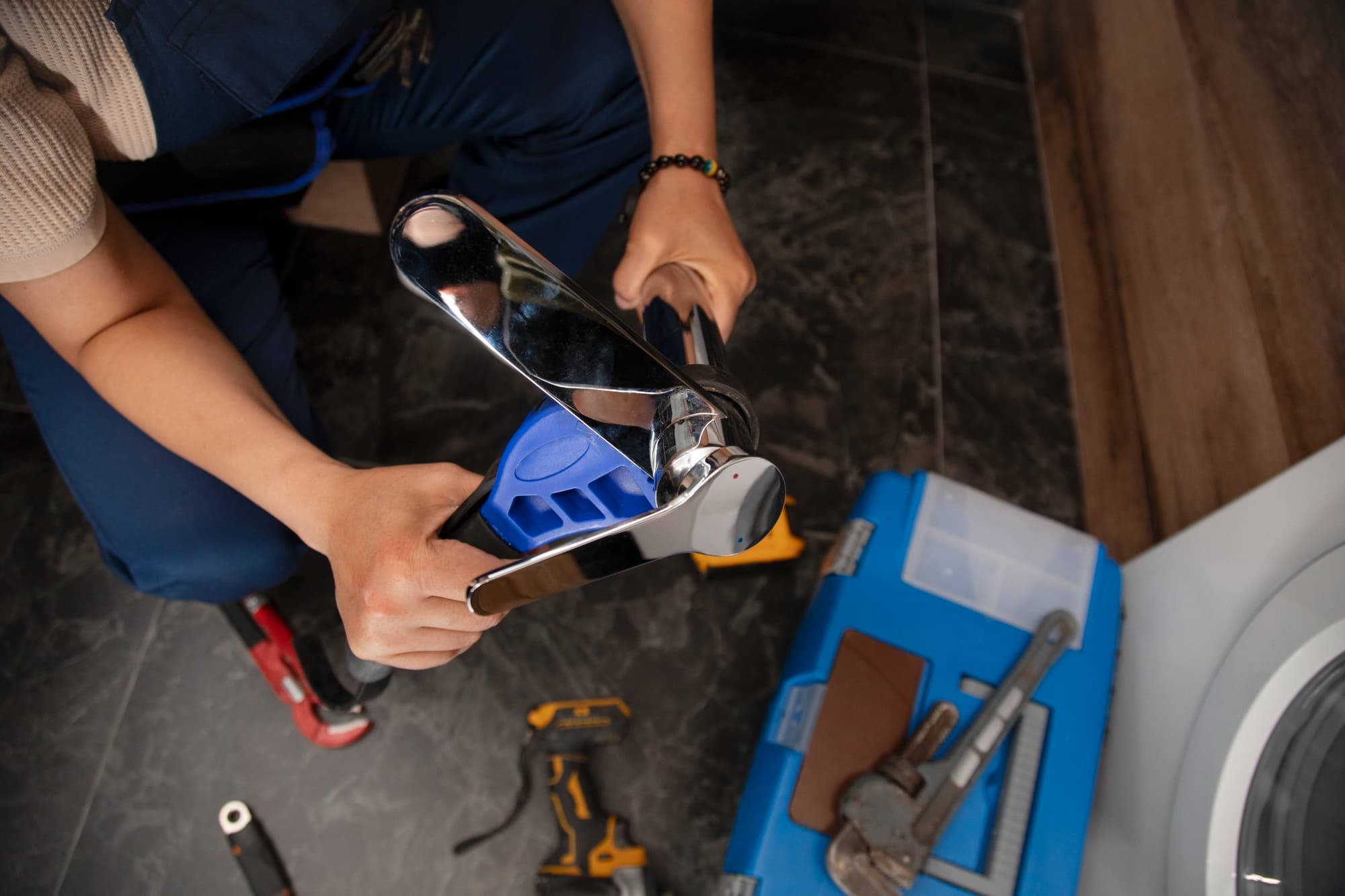
Mastering Home Plumbing: A Comprehensive Guide for Homeowners
Guides · May 26, 2026 · 4 min read
By The BuilderWorks Team
Your home's plumbing system runs quietly behind walls and under floors—until something goes wrong. Understanding how it works, what you can safely handle yourself, and when to call a licensed plumber saves time, money, and stress.
This comprehensive guide walks Canadian homeowners through the essentials: categorising plumbing jobs by urgency, mastering a few critical skills, and building habits that prevent costly emergencies.
Assessing Your Plumbing Needs
Before you pick up a wrench or dial a plumber, identify what kind of job you're facing. The table below breaks plumbing work into four categories—from routine upkeep to full emergencies—so you can respond appropriately.
| Need Type | Common Examples | Urgency | DIY or Pro? |
|---|---|---|---|
| Maintenance | Annual water heater flush, cleaning faucet aerators, inspecting supply hoses on washing machines and dishwashers, testing sump pumps, checking for slow drips under sinks | Low to Medium — schedule within weeks | DIY. Most preventive maintenance requires basic tools and manufacturer guidelines. Call a pro if you notice recurring issues or aren't comfortable accessing equipment. |
| Minor Repairs | Fixing a dripping faucet, replacing a showerhead, unclogging a single drain with a plunger or snake, swapping a toilet flapper, tightening loose fixture connections | Medium — address within days | DIY with caution. These are common homeowner tasks, but shut off the local water supply first and know when a simple fix signals a deeper problem. |
| Major Repairs | Burst or corroded pipes, sewer line backups, water heater failure, persistent low pressure throughout the home, leaking behind walls or under slabs | High — act within 24 hours | Pro. Major repairs involve code compliance, specialised tools, and often permits. Attempting these yourself can worsen damage and void insurance coverage. |
| Emergency | Active flooding, gas odour near a water heater or boiler, complete loss of water, sewage backing up into living spaces, frozen pipes at risk of bursting | Critical — act immediately | Pro (Immediate). Shut off the main water supply if safe, evacuate if gas is suspected, and call a licensed emergency plumber. Do not attempt DIY repairs during an active emergency. |
Essential Skills Every Homeowner Should Know
You don't need to be a plumber to protect your home. These five fundamentals give you the confidence to handle minor issues and the wisdom to know when to step back.
- Know your main shut-off valve: Locate the valve that stops water to your entire home—usually in the basement, utility room, or near the water meter. Test it once a year to ensure it turns freely. In an emergency, shutting off water within minutes can prevent thousands of dollars in damage.
- Learn local fixture shut-offs: Every toilet, sink, and washing machine should have its own stop valve. Use these for isolated repairs without cutting water to the whole house. If a valve is seized or missing, have a plumber install or replace it during your next service call.
- Understand your pipe materials: Canadian homes may have copper, PEX, ABS, or older galvanized and poly-B piping. Each material has different lifespans and failure modes. Knowing what's in your walls helps you prioritise upgrades and communicate clearly with tradespeople.
- Winterize before cold sets in: Disconnect outdoor hoses, insulate exposed pipes in unheated areas, and keep cabinet doors open during extreme cold so warm air reaches pipes under sinks. Frozen pipes are a leading cause of winter emergency calls across Canada.
- Build a basic plumbing toolkit: Keep a plunger, adjustable wrench, pipe tape, bucket, and flashlight accessible. For drain clogs, start with a plunger before chemical cleaners—harsh chemicals can damage older pipes and are harmful to the environment.
Preventive Maintenance Checklist
Spending an hour each season on preventive care reduces emergency calls and extends the life of your fixtures. Add these tasks to your home maintenance calendar.
- Flush your water heater annually to remove sediment buildup that reduces efficiency and shortens tank life.
- Clean faucet aerators and showerheads to restore water pressure clogged by mineral deposits.
- Inspect visible supply lines and drain connections under sinks for moisture, corrosion, or bulging hoses.
- Test your sump pump by pouring water into the pit—especially before spring thaw and heavy rain seasons.
- Check your water bill for unexplained spikes that may indicate a hidden leak.
When to Call a Licensed Plumber
DIY has its limits. Hire a licensed professional when the job involves permits, gas lines, sewage systems, structural modifications, or anything you're not fully confident doing. Insurance claims often require documentation of licensed work—especially after water damage.
Red flags that mean call a pro now: Multiple drains backing up at once, water staining on ceilings or walls, hissing sounds near gas appliances, no hot water from a gas water heater, or any repair that requires cutting into walls or floors.
Ready to find a verified plumber in your area? Post your project at builderworks.ca/jobs/post and let trusted local trade professionals come to you.
Find a plumbers in your city
"The best plumbers aren't just fixers—they're partners in protecting one of your home's most critical systems."

Recent Post



Tags
Plumbing
Homeowners
DIY
Maintenance
Canada